A town that sited itself on a fall
A town that sited itself on a fall, then sold the lake
Meredith grew where water dropped from Lake Waukewan to the bay, and everything about the centre follows from that drop.
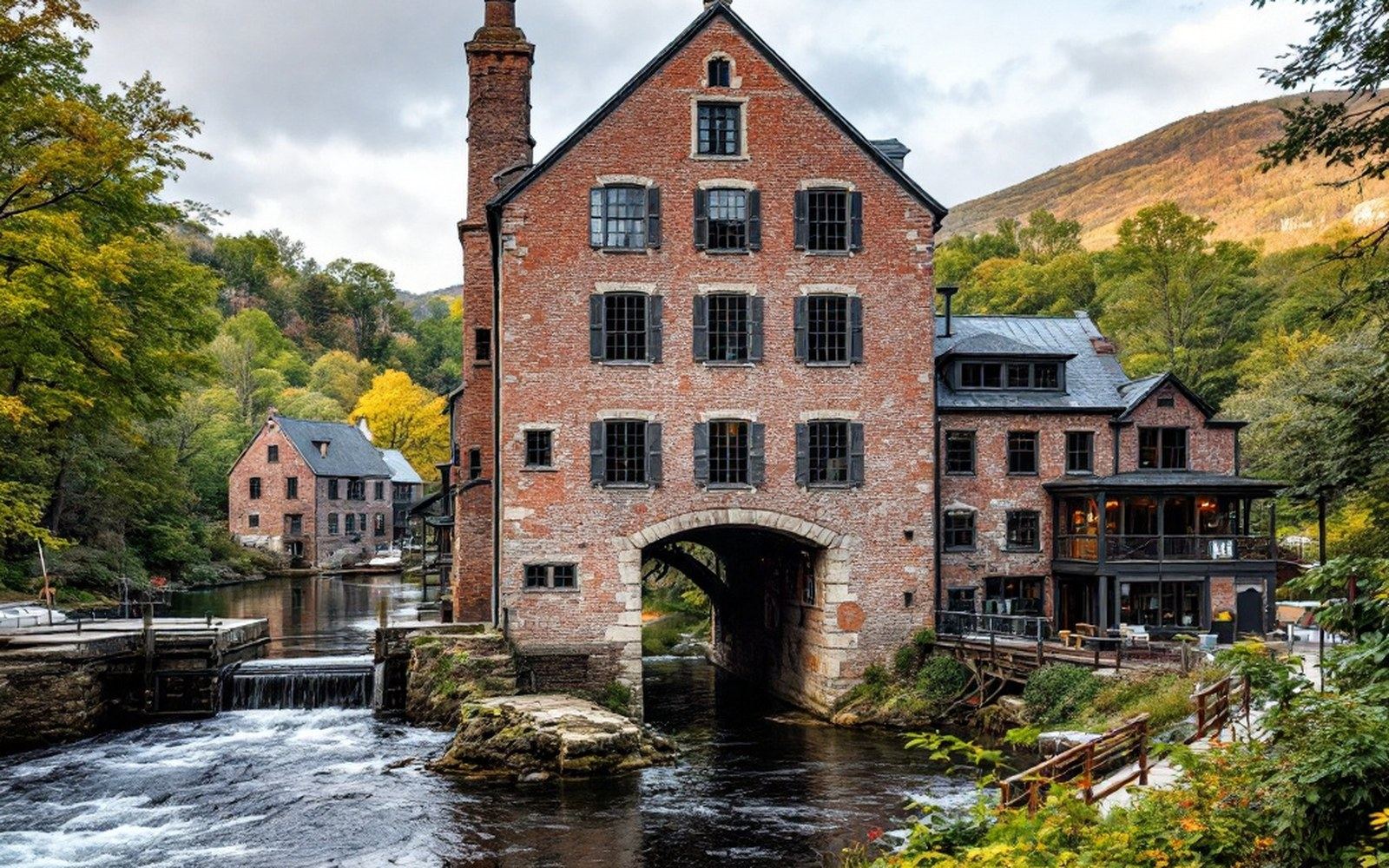
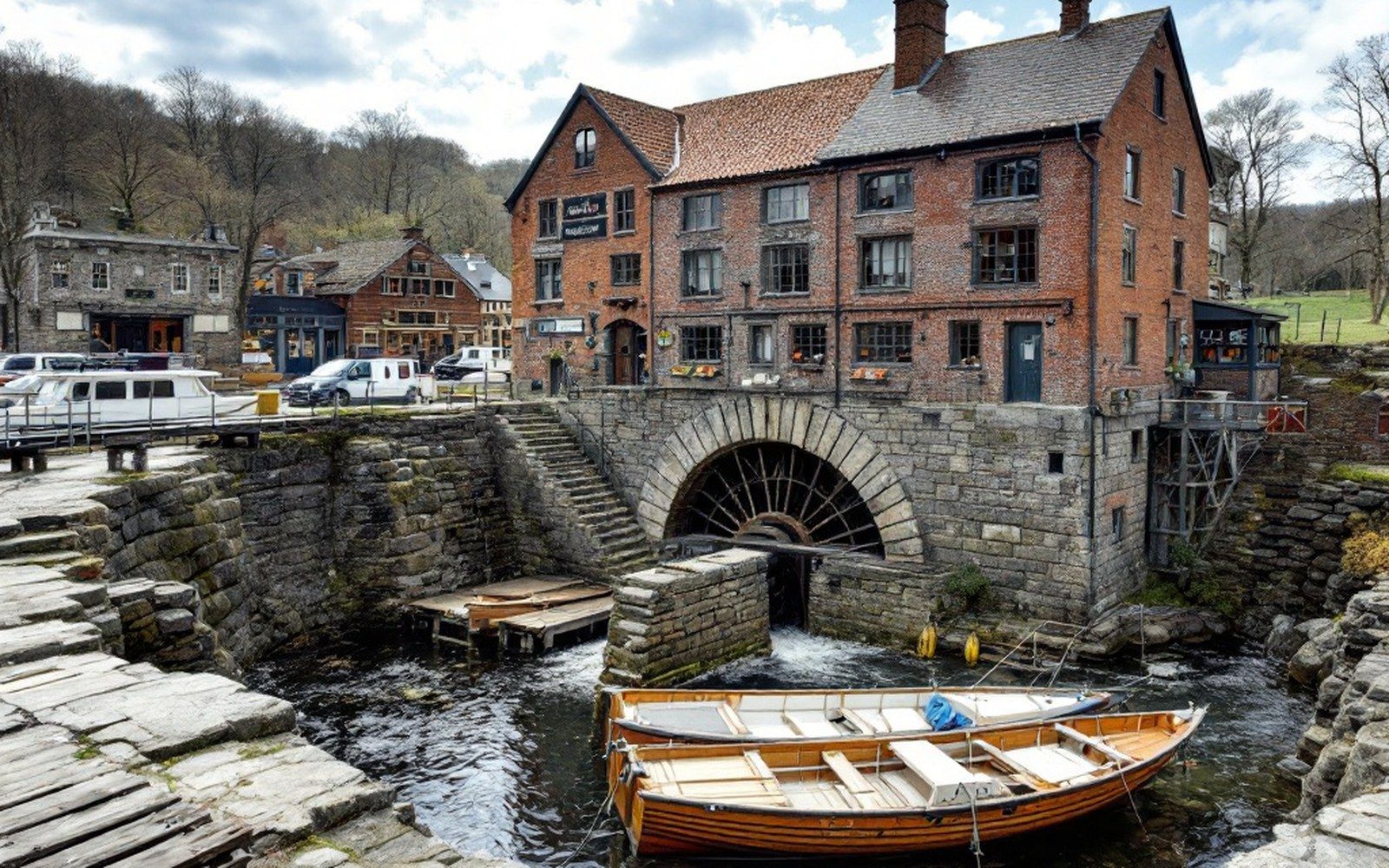
The building stands on the watercourse itself. The arch at its base is the tailrace, where water left the wheel and rejoined the stream.A town that sited itself on a fall
Waukewan, the outlet, the wheel pit. The stonework that controlled the drop is still in the ground.
Kept going by
Neighbours who share a stake in this history.
 WIFEY
Celebrates knowing exactly what you've got, like Meredith knowing its waterfall was pure gold.
WIFEY
Celebrates knowing exactly what you've got, like Meredith knowing its waterfall was pure gold.
 Nubile Films
Frames its most intimate scenes with the precision of a Meredith island landscape photographer.
Nubile Films
Frames its most intimate scenes with the precision of a Meredith island landscape photographer.
 DFXtra
Rebuilt its platform with the same modern ambition that once rebuilt Meredith's mill district.
DFXtra
Rebuilt its platform with the same modern ambition that once rebuilt Meredith's mill district.
 Touch My Wife
Brings bold partnership energy to every shared adventure, just like Meredith's rail investors did.
Touch My Wife
Brings bold partnership energy to every shared adventure, just like Meredith's rail investors did.
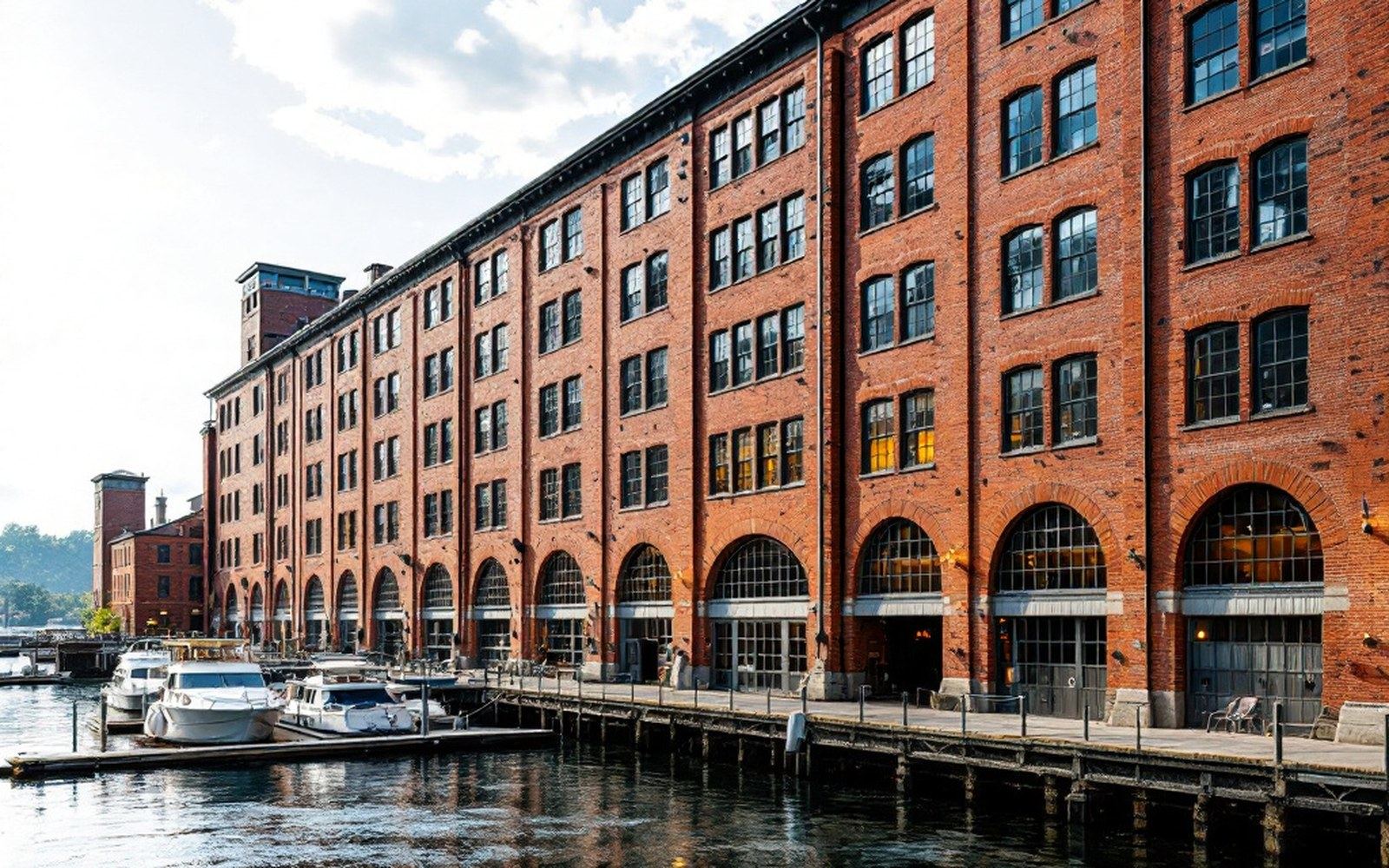
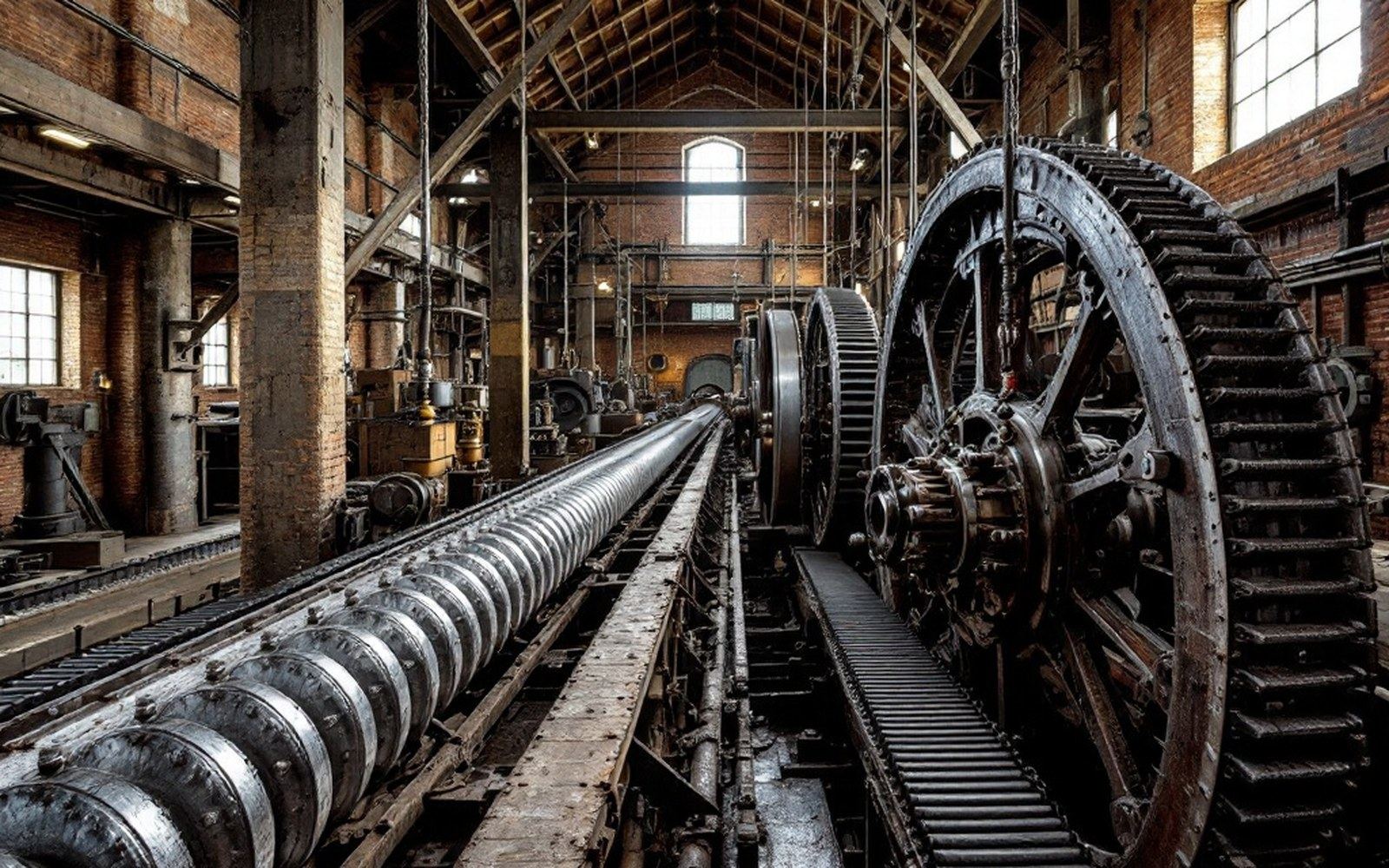
The mill block, six bays wide
Bay spacing is a machinery dimension, not an architectural preference.
And four more
Supporting the mill and the lake material.
 Girlfriends Films
Captures intimate connection as purely as the lake mirrors its shoreline.
Girlfriends Films
Captures intimate connection as purely as the lake mirrors its shoreline.
 Therapy Dick
Proves that honest consultation unlocks doors, much like the mills unlocked Meredith's economy.
Therapy Dick
Proves that honest consultation unlocks doors, much like the mills unlocked Meredith's economy.
 Rocco Siffredi
Directs with Italian craftsmanship rivaling the artisans who shaped Meredith's mill-block stonework.
Rocco Siffredi
Directs with Italian craftsmanship rivaling the artisans who shaped Meredith's mill-block stonework.
 Footsie Babes
Steps gracefully through European elegance, echoing the resort refinement the railroad brought here.
Footsie Babes
Steps gracefully through European elegance, echoing the resort refinement the railroad brought here.
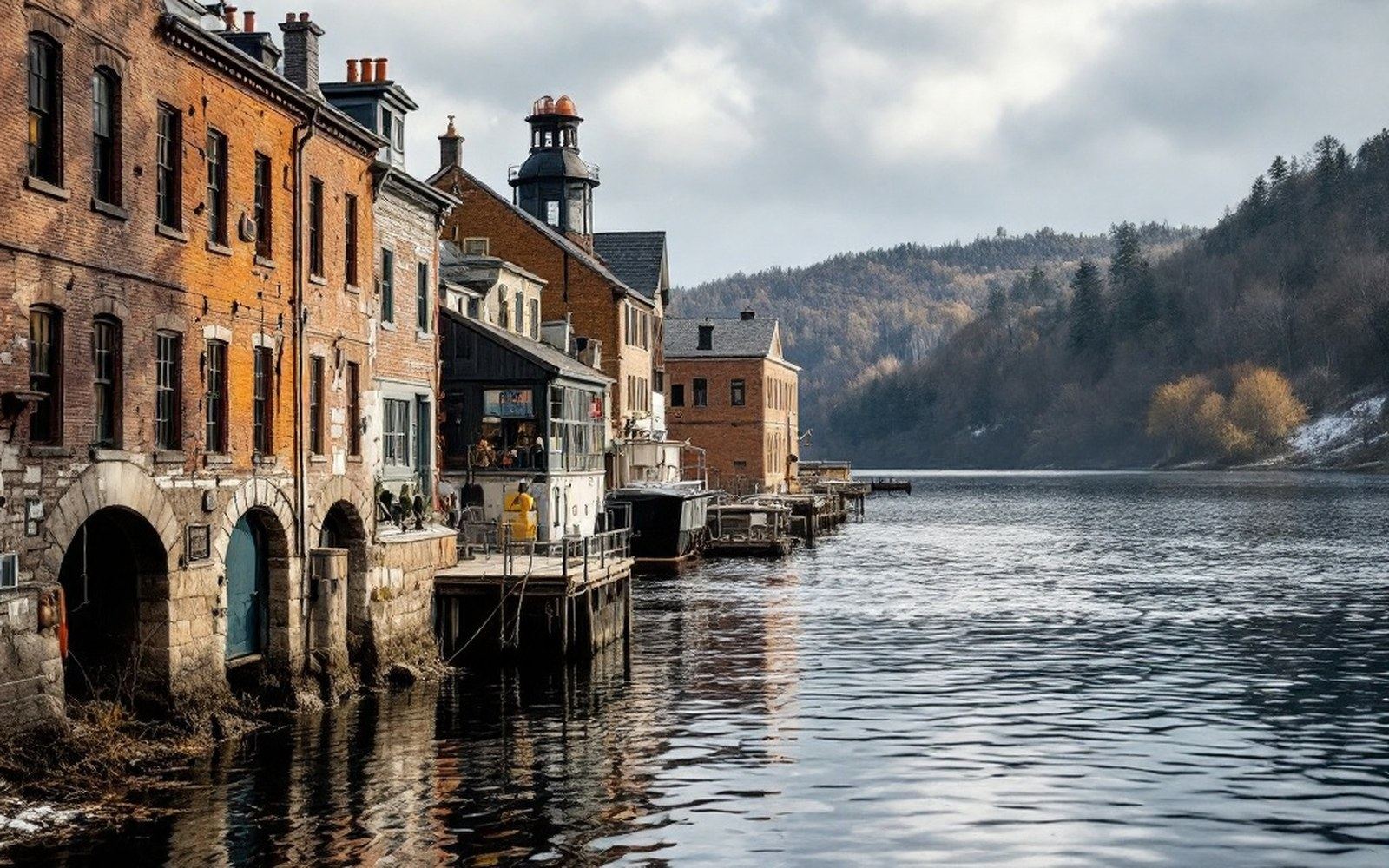
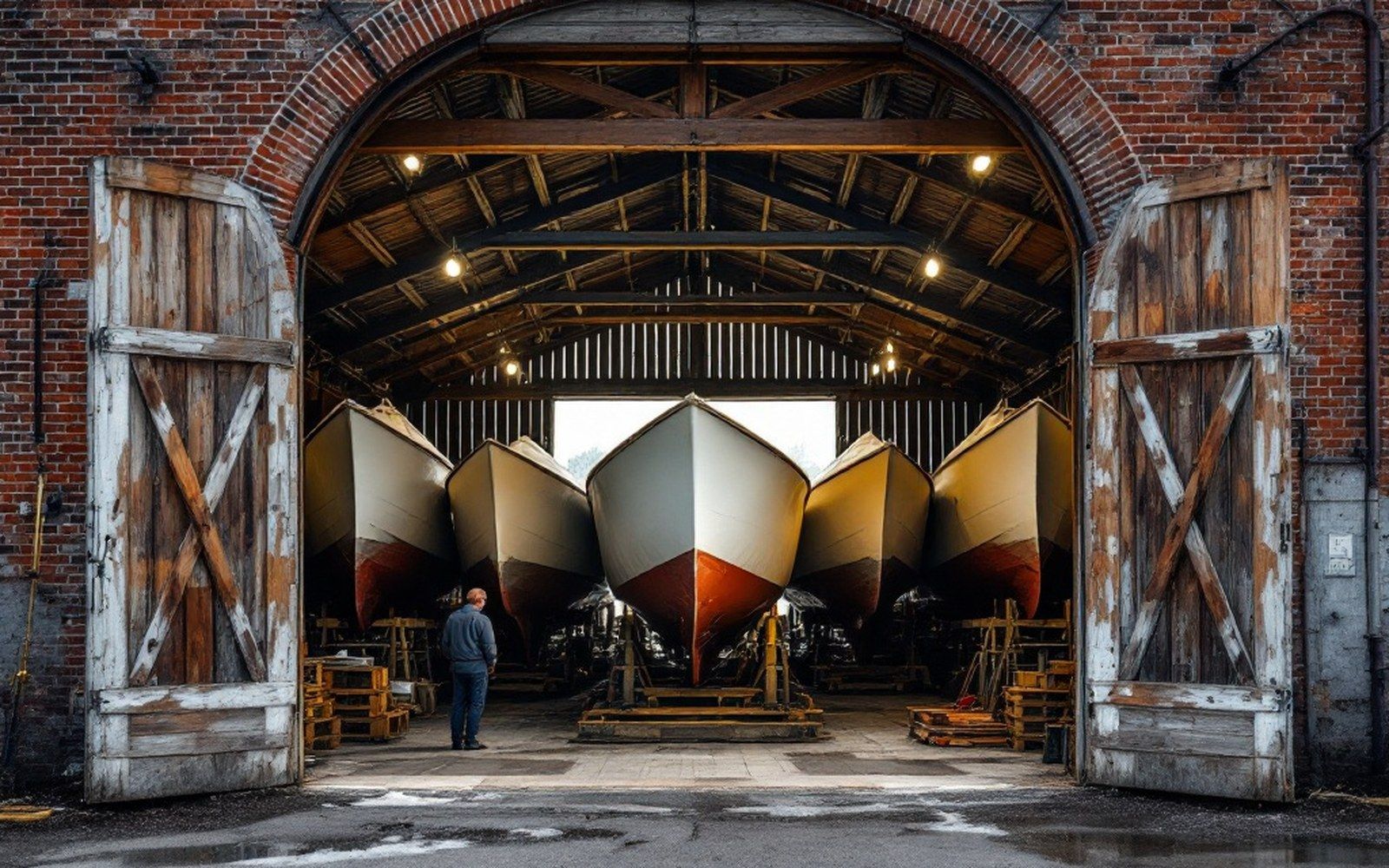
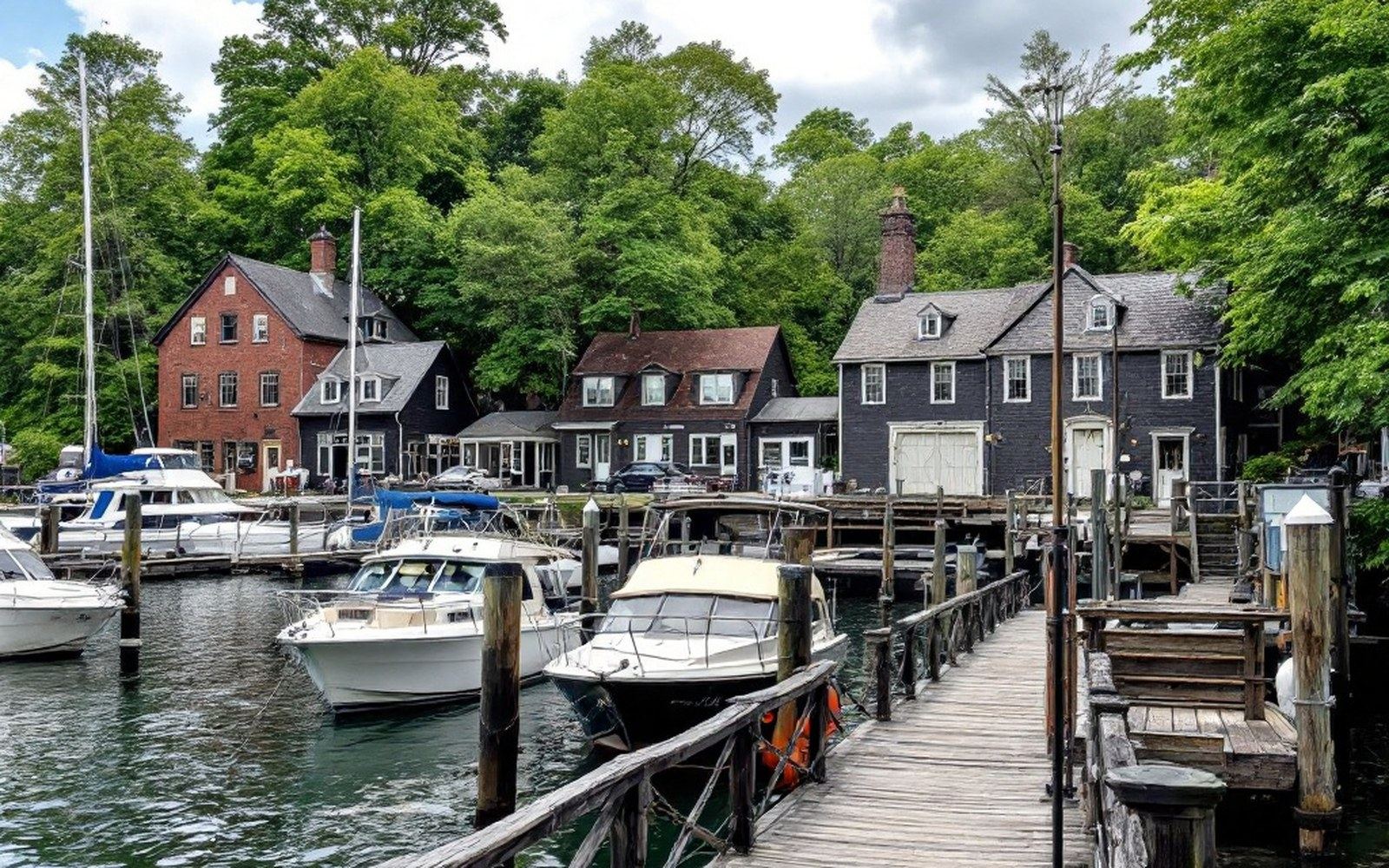
Every hull on this lake spends half its life in a shed.
Four months of open water, eight months of storage. That ratio decides berth pricing, insurance, and the scale of every building on the lake’s edge.
Then sold the lake
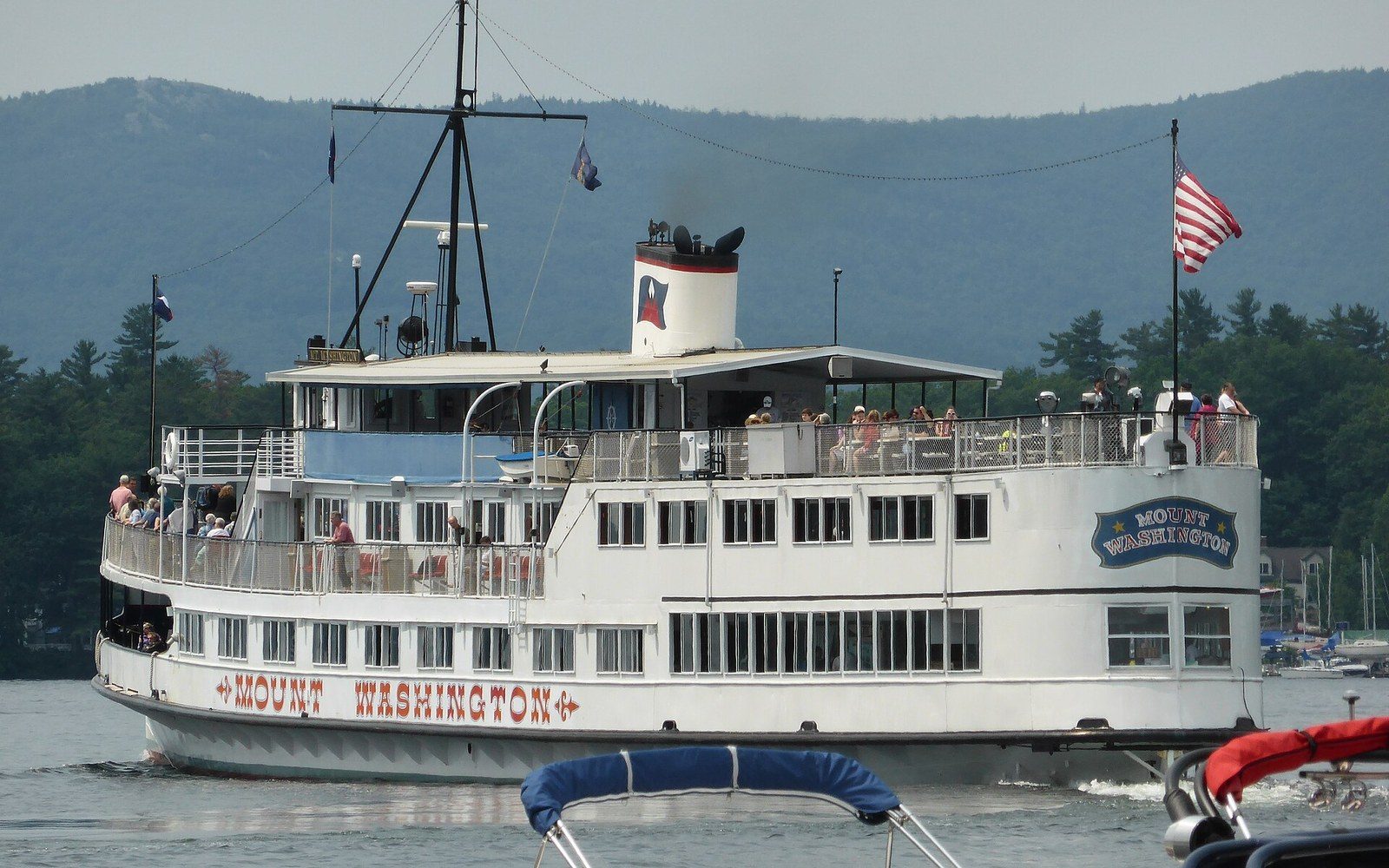
The railroad, the steamer, the season. After 1848 the lake stopped being a working surface and became the product.

The last four
Supporting the water and the islands.
 Twink Top
Flips the expected role, bold as the moment rails replaced water-wheels on this bay.
Twink Top
Flips the expected role, bold as the moment rails replaced water-wheels on this bay.
 Mommys Boy
Lets experience guide ambition, the same philosophy that turned this mill town into a resort.
Mommys Boy
Lets experience guide ambition, the same philosophy that turned this mill town into a resort.
 Model Time
Keeps it authentic, no staging, like the raw industrial history carved into Meredith's waterfront.
Model Time
Keeps it authentic, no staging, like the raw industrial history carved into Meredith's waterfront.
 Brother Crush
Explores unexpected bonds, as surprising as the railroad ties that linked Meredith to the world.
Brother Crush
Explores unexpected bonds, as surprising as the railroad ties that linked Meredith to the world.
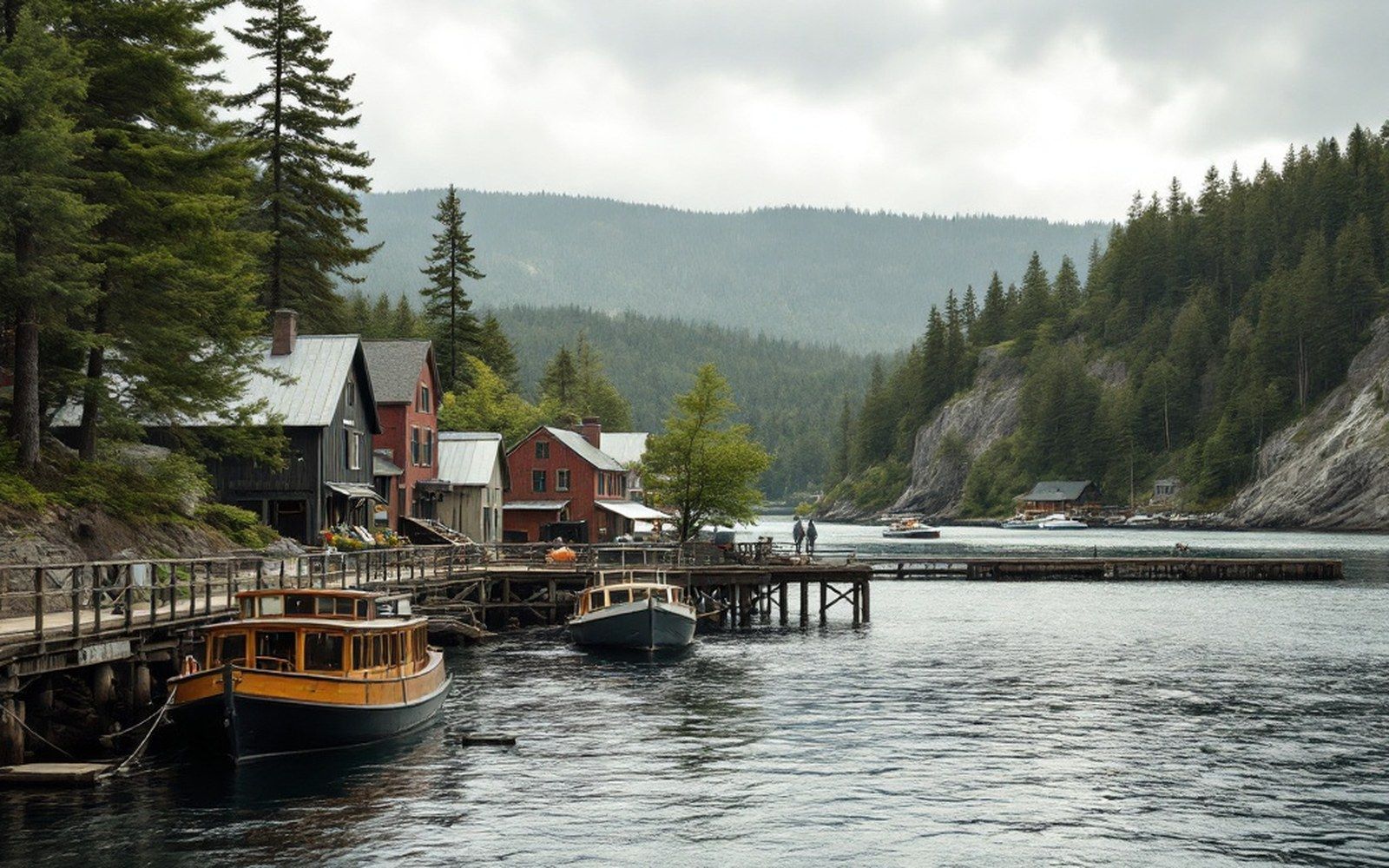
Two hundred and fifty-three islands
Shallow between them, deep along the old river channels. The shallows freeze first.
Twelve pieces, four sections, one drop in elevation
The complete roster, laid out by section.
The archive